Low-temperature sterilization · Ozone
For heat- and radiation-sensitive products at pilot and small-batch scale. Ozone-based, low temperature, residue-free, with the ISO 14937 qualification owned by Damgaard Solutions. Ethylene-oxide-free.
Why now
Ethylene oxide is being squeezed out of Europe, and manufacturers of heat- and radiation-sensitive product are running out of options. Low-temperature ozone is the route that remains.
Ethylene oxide is classified as a CMR carcinogen, and the European Commission intends to withdraw its approval as a biocidal substance.
Gamma, X-ray and e-beam cause free-radical damage, so they are not an option for many biologics and advanced therapies.
EtO loads need long toxic-residue aeration. Ozone reverts to oxygen and water, with no aeration hold.
The method
A low-temperature gas process that leaves no toxic residue, validated to the standard written for novel sterilization methods.
The honest part. Ozone has material-compatibility limits, not every polymer or material qualifies, and it is an emerging contract method rather than a decades-old one. That is exactly why every engagement starts with a feasibility assessment before anything is committed.
What pharma prefers today. The established sterilization toolkit is gamma irradiation, electron beam (e-beam), ethylene oxide (EtO), and vaporized hydrogen peroxide (VHP). Ozone is not a replacement for all of them. It is the low-temperature, residue-free route for the products those methods cannot serve.
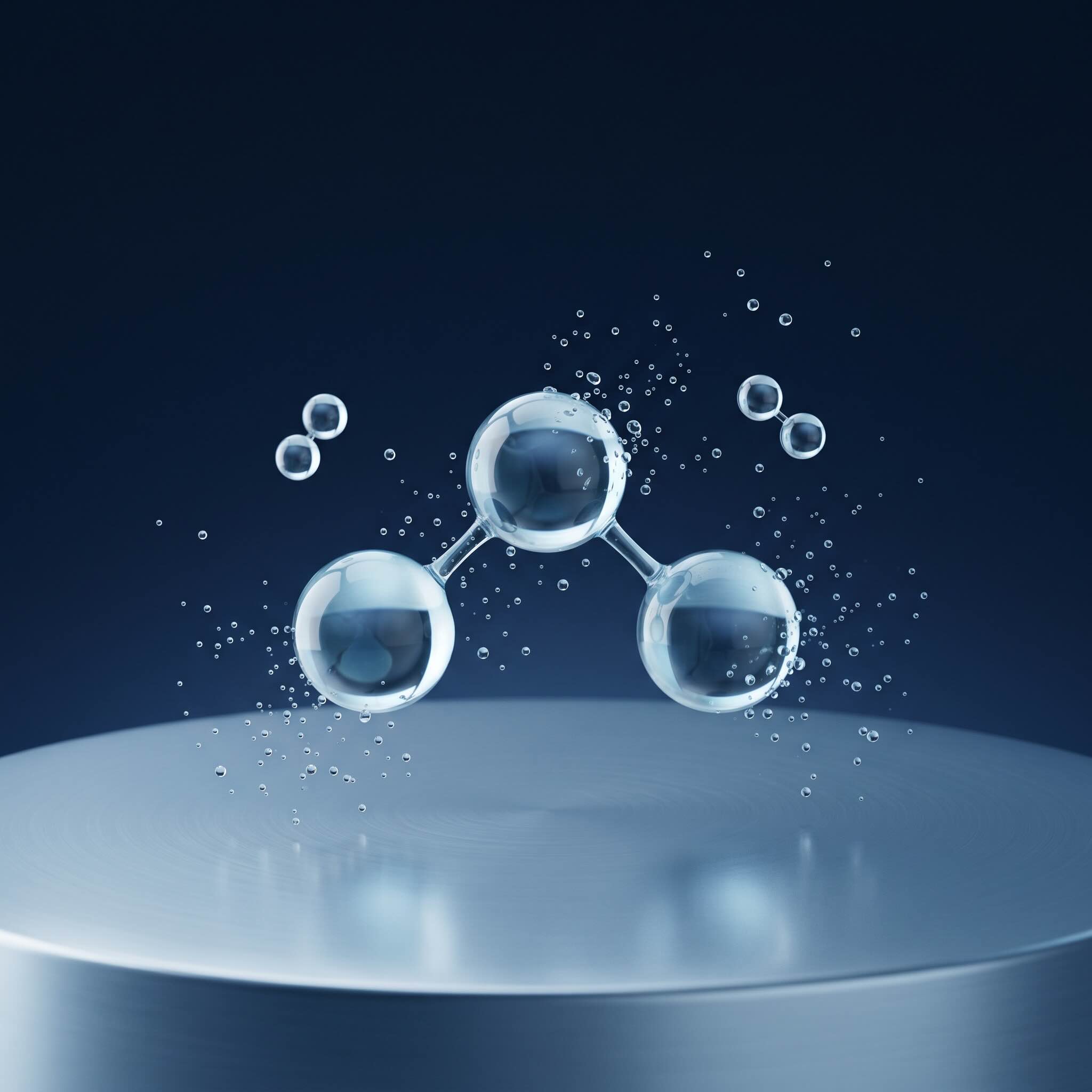
Runs at roughly 30 to 35 C, gentle enough for heat-sensitive product.
Ozone reverts to oxygen and water in situ. No toxic residue, no long aeration step.
The standard for defining, validating and controlling a sterilization process. We own that qualification for your product.
Who it is for
If it cannot go through an autoclave, an ethylene oxide cycle, or a radiation dose, it is a candidate for low-temperature ozone.
This route is built for small laboratories, startups, and early-stage facilities. Large pharmaceutical manufacturers typically prefer their established GMP cleaning and contamination-control procedures, so they are not the primary audience for an emerging ozone method.
Advanced therapies (cell and gene)
Drug-device combination products
Single-use systems and components
Small biotech and pilot-scale CDMOs
Viral vectors and biologics
Materials and limits
Ozone is a powerful oxidizing agent that can inactivate bacteria, fungi, viruses, and even bacterial spores under the right conditions. But the materials that withstand repeated ozone exposure are limited, so compatibility is confirmed for your specific parts before anything is committed.
Material
Ozone compatibility
Stainless steel
Excellent
PTFE
Generally very good
PVDF
Usually good
Glass fiber
Good
Silicone
Variable
EPDM
Variable
PES
Needs testing
Polyurethane
Often poor
Natural rubber
Poor
The honest limits. Ozone penetration can be restricted through complex geometries, dense filter media, and sealed packaging. Many polymers, elastomers, adhesives, and gaskets degrade after repeated exposure. A validated Sterility Assurance Level (SAL 10⁻⁶) is harder to reach than with gamma, EtO, or steam, regulatory acceptance in pharma is less established, and packaging compatibility must be demonstrated. That is why every engagement begins with a feasibility assessment, not a chamber booking.
What we do
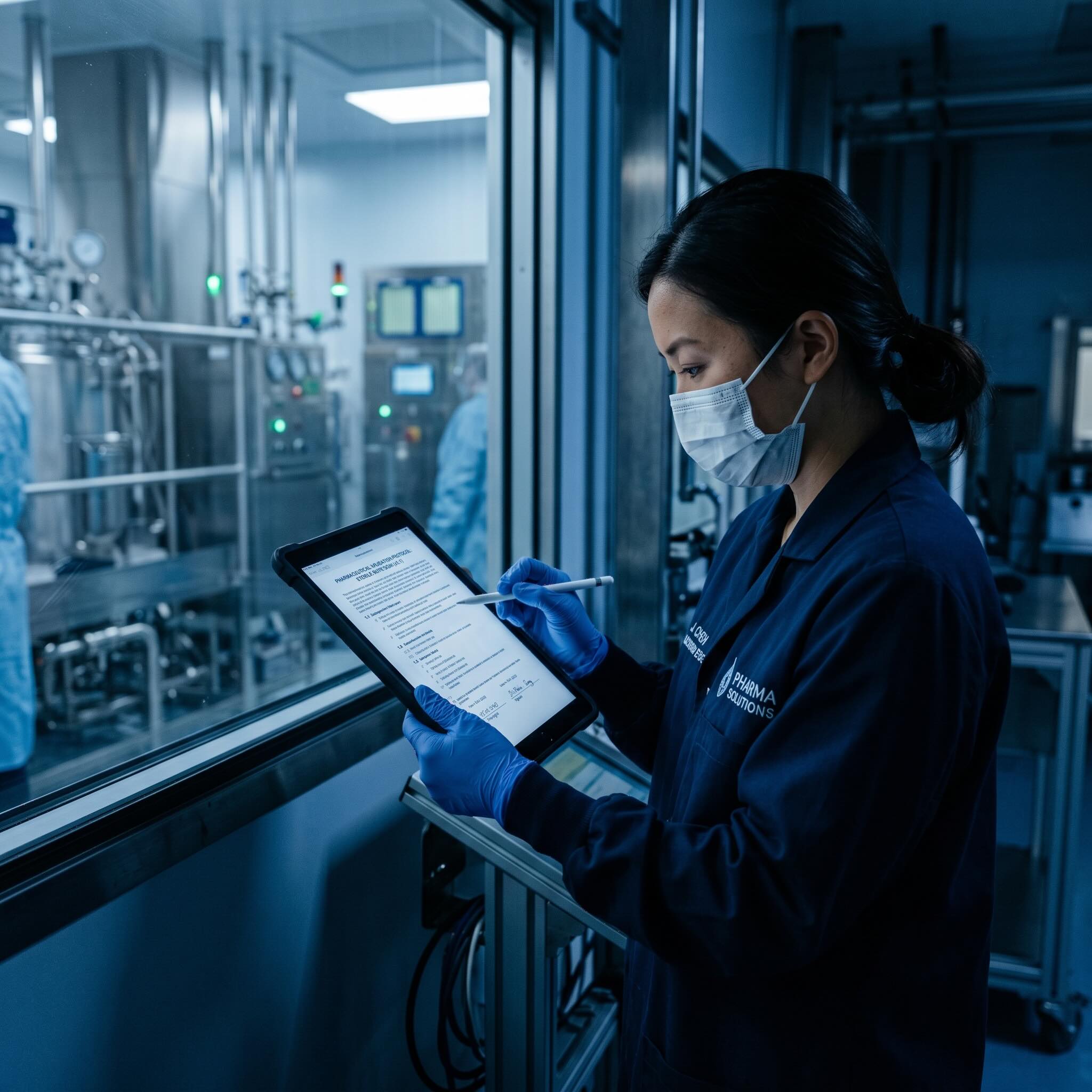
One feasibility assessment, one owned ISO 14937 qualification, one pilot-scale service. No method touches your product until it is proven for your product.
01
We confirm ozone compatibility for your product, materials and packaging before you commit, and define the cycle.
02
We build and own the ISO 14937 qualification, with audit-ready documentation that survives inspection.
03
Pilot-scale contract sterilization, scoped to your batch and quoted per project.
Questions we hear
No. Ozone reverts to oxygen and water, with no toxic residue and no long aeration hold.
Low temperature, roughly 30 to 35 C, suitable for heat-sensitive product.
Stainless steel, PTFE, and PVDF do well; glass fiber is good; silicone, EPDM, and PES are variable or need testing; polyurethane and natural rubber tend to degrade. Compatibility is confirmed for your specific parts in the feasibility step.
Small laboratories, startups, and early-stage facilities working at pilot or small-batch scale. Large pharmaceutical manufacturers usually prefer their established GMP methods.
Those established methods remain pharma's first choice and we do not replace them. Ozone is the low-temperature, residue-free route for heat- and radiation-sensitive products they cannot serve.
Yes. It is a low-temperature, EtO-free route for products that cannot take ethylene oxide, heat or radiation.
Pilot and small batch, not commercial truckload volumes. Every engagement is scoped and quoted per project.
Related at Damgaard Solutions
Ozone contract sterilization is an emerging low-temperature route. Damgaard Solutions leads every engagement with a feasibility assessment and owns the ISO 14937 validation, so the process is proven for your product before it is used. Material compatibility and scope are confirmed case by case.
Every quote is a written proposal with a named engineer. Start with a feasibility assessment for your product, and we will tell you honestly whether ozone is the right route.
Kildehøjvej 15 A
3460 Birkerød, Denmark
Præstemarksvænge 10E
4000 Roskilde, Denmark