
Aseptic Isolator Filling
Aseptic isolator filling, designed and qualified to clear Annex 1.
Containment strategy, isolator design, and qualification from URS through PQ, led by senior specialists who design the system and sit across from the inspector when it qualifies. One team, one judgment trail.
Request a brief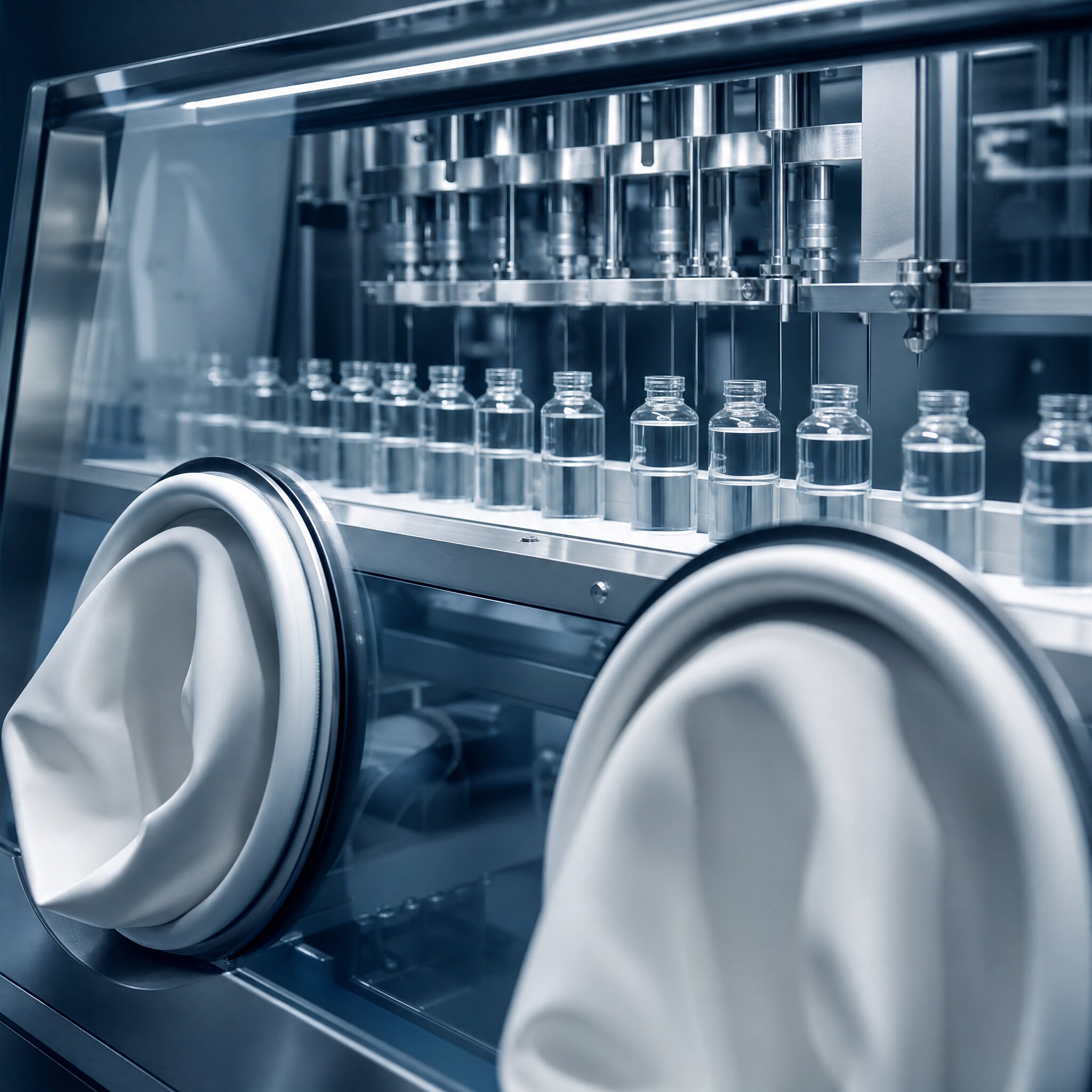
Design
Isolator systems built for pharmaceutical precision.
Isolator filling is where engineering decisions carry the highest regulatory consequence. Geometry, airflow, material selection, transfer interfaces. Each one a potential Annex 1 finding if the design logic is not defensible. This is not work for a junior engineer with a checklist.
Every engagement runs with senior isolator specialists on site, not in a supervisory pitch-and-hand-off model. The engineer who designs your containment strategy is the same engineer who sits across from the inspector when you qualify it. One team. One judgment trail. No translation gaps.
How our aseptic qualification specialists work across Europe
Containment strategy designed around your product and operator reality
Annex 1 compliance built into the design, not retrofitted at qualification
Senior specialist accountable from URS through PQ, no junior handoffs


Compliance
Meet GMP Annex 1 without compromise.
Regulatory standards shift. Every isolator design decision we make is documented against current EU GMP Annex 1 and FDA guidance. When the next revision lands, your documentation tells a coherent story: here is what we decided, why, and against which standard. Inspectors respect that trail.
Fixed-fee milestones with clear acceptance criteria at each gate. You see the documentation package grow as the project moves. Nothing is hidden in an hourly log. Nothing is retained by us when we leave. Your QA team owns the rationale, the protocols, and the evidence.
Current Annex 1 standards built into every design decision
Documentation package ready for inspection, owned by your team
Milestone fees with signed acceptance at each gate, no hourly surprises
Contamination Control
Contamination control your team can run.
The best contamination control program is the one your operators understand, your QA team can defend, and your next inspection does not rewrite. We design isolator systems your people can actually run. Geometry, airflow dynamics, and material selection chosen with operator workflow in mind, not just on-paper compliance.
Knowledge transfer is a deliverable, not an afterthought. Your team gets the design rationale, the failure mode analysis, and the operational playbook. The next time you upgrade a line, expand capacity, or revisit the contamination control strategy, your team leads with us as advisor, not primary delivery.
Isolator geometry and airflow designed around real operator workflows
Design rationale and FMEA transferred in writing to your team
Operational playbook for contamination events, signed off by your QA
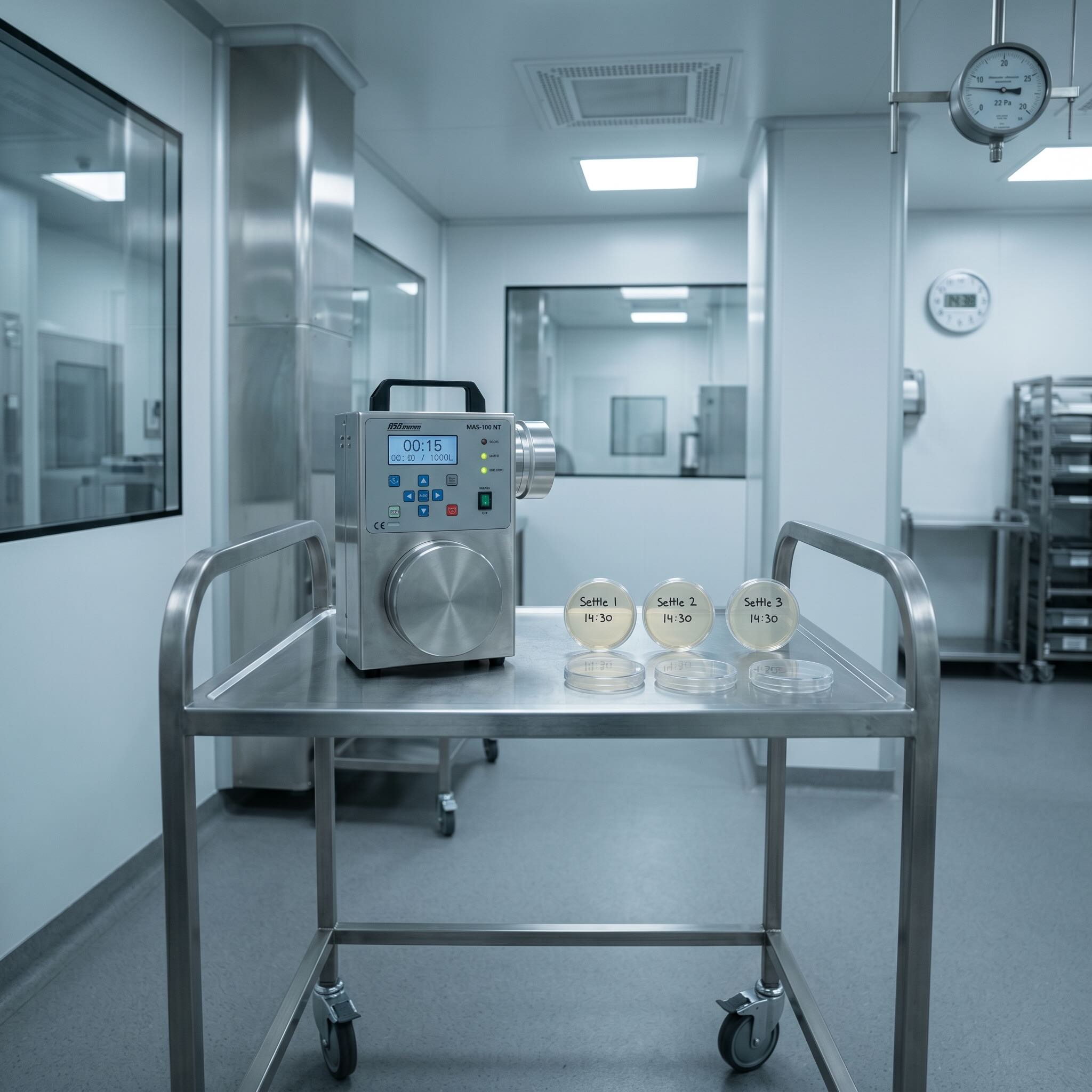
Ready to build your line?
Our specialists know isolator filling inside and out. Send us your brief. We respond within one business day with a named senior specialist and an honest assessment of your scope.

Kildehøjvej 15 A
3460 Birkerød, Denmark
Præstemarksvænge 10E
4000 Roskilde, Denmark